Energy Power Audit
A systematic assessment of energy consumption across facilities, processes, and equipment to identify inefficiencies, reduce operating costs, and improve overall energy performance. The audit includes data collection and analysis of electrical, mechanical, HVAC, lighting, and process systems; evaluation of operating practices; and identification of energy-saving opportunities.
Services typically cover site surveys, metering and load profiling, benchmarking against industry standards, and assessment of equipment condition and performance. Findings are presented in a detailed report outlining practical recommendations, estimated energy savings, cost-benefit analysis, and implementation priorities, supporting informed decision-making, regulatory compliance, and sustainability objectives.
Collection and analysis of historical energy data, including electricity, fuel, gas, and water consumption. Review of utility bills, tariffs, demand charges, operating schedules, and existing energy management practices to establish a baseline of current energy performance.
On-site assessment of buildings, process areas, and utilities to evaluate actual operating conditions. This includes inspection of electrical systems, motors, drives, compressors, pumps, HVAC systems, lighting, steam and thermal systems, and process equipment.
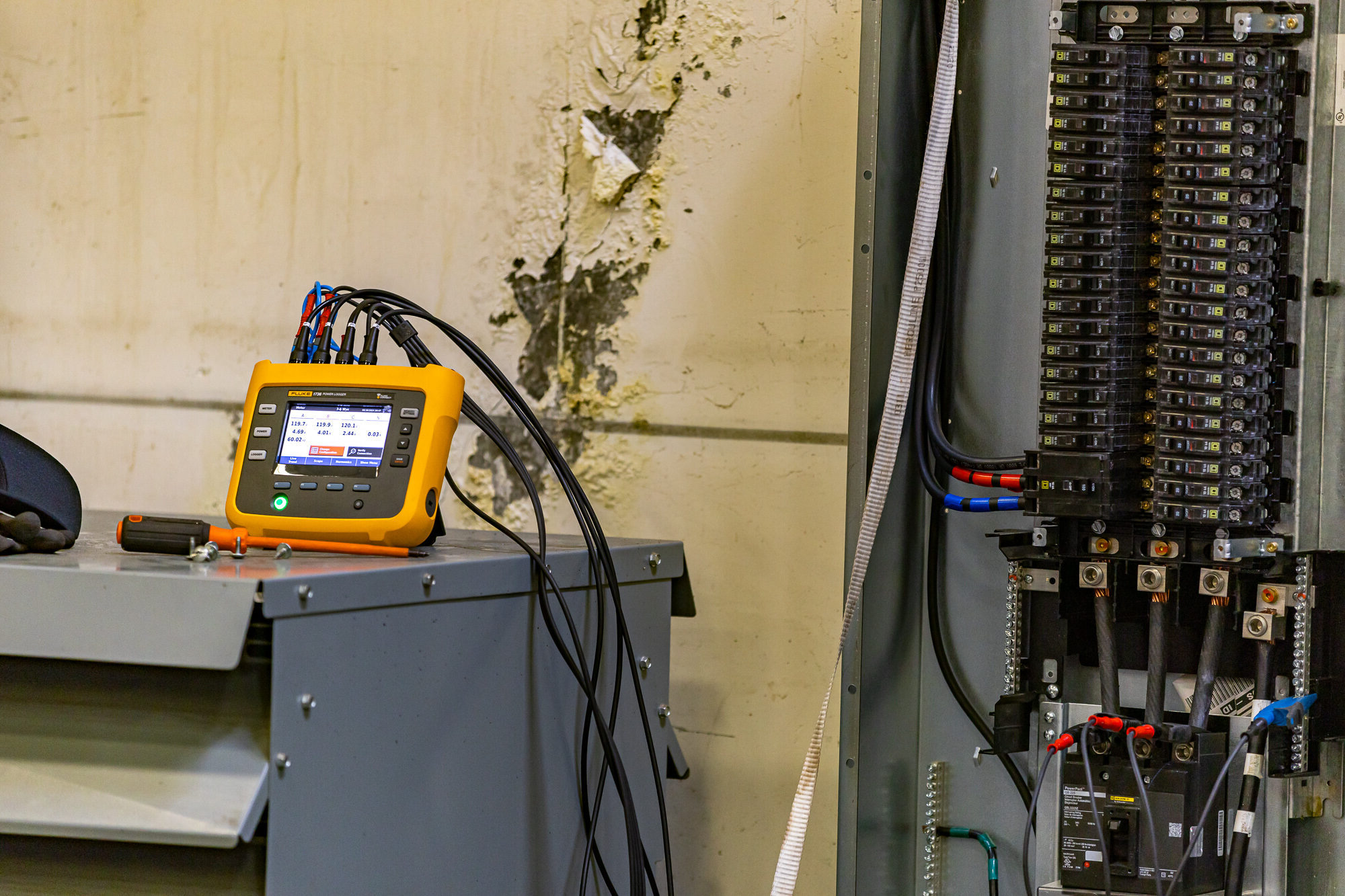
Installation or use of portable and permanent meters to measure real-time energy consumption, load profiles, power quality, and peak demand. Identifies abnormal consumption patterns, inefficiencies, and opportunities for load optimization and demand reduction.
Assessment of equipment efficiency, operating modes, control strategies, and maintenance practices. Evaluation of part-load performance, standby losses, heat losses, air and fluid leaks, and system interactions affecting overall energy use.
Development of practical energy-saving opportunities, including operational improvements, equipment upgrades, control optimization, process modifications, and integration of energy-efficient technologies or renewable solutions.
Quantification of potential energy savings, cost reductions, capital investment requirements, payback periods, and life-cycle costs for each recommended measure. Prioritization of actions based on risk, feasibility, and return on investment.
Assessment of compliance with applicable energy regulations, environmental requirements, and international standards such as ISO 50001. Recommendations to improve energy management systems and reporting.
Preparation of a comprehensive audit report detailing findings, baseline consumption, identified inefficiencies, recommended actions, estimated savings, and implementation roadmap. Includes executive summaries for management and detailed technical appendices for engineering teams.
Support during execution of recommended measures, including detailed engineering, procurement support, performance verification, and post-implementation monitoring to confirm achieved savings.